

HD Graphics Gaming Machines Are Raising the Bar Down Under
- August 24, 2026
- Posted by: root
- Category: Uncategorized
The punters walking through the doors of any regional club or city casino these days are met with a wall of light and motion that would have boggled the minds of players just a decade back. Screens that once flickered with grainy sprites now render every chip, card and spinning reel in crisp detail, and that shift has changed the whole rhythm of the floor. When we talk about HD graphics gaming machines, we are really talking about the point where hardware capability meets player expectation, and the Australian market has been quick to notice the difference.
Local operators know that a flat-out like a lizard drinking crowd does not wait around for mediocre visuals. The demand for sharper resolution, smoother animation and more immersive themes has pushed manufacturers to upgrade their cabinets, and the result is a floor that feels closer to a console experience than a traditional fruit machine. That evolution matters for revenue, for player retention, and for the way clubs and casinos position themselves against online rivals.
The legislation around electronic gaming has always walked a tightrope between harm minimisation and commercial reality, and the technical upgrades happening right now sit squarely in that space. Machines need to meet strict payout and randomness standards while still delivering the kind of visual polish that keeps a player engaged for a proper session. Getting that balance right is the job of operators, regulators and software developers alike, and it is a fair go for everyone involved when the standards are clear.
This piece looks at how high-definition visuals are reshaping the gaming machine landscape across the country, from the pokies in Perth pubs to the high-limit rooms in Sydney and Melbourne. We will walk through the technology, the design choices, the player response, the compliance picture, and the operators who are setting the pace. If you are tracking where the market is heading, the visual upgrade is one of the clearest signals you can read.
The Technology Behind the Sharp Look
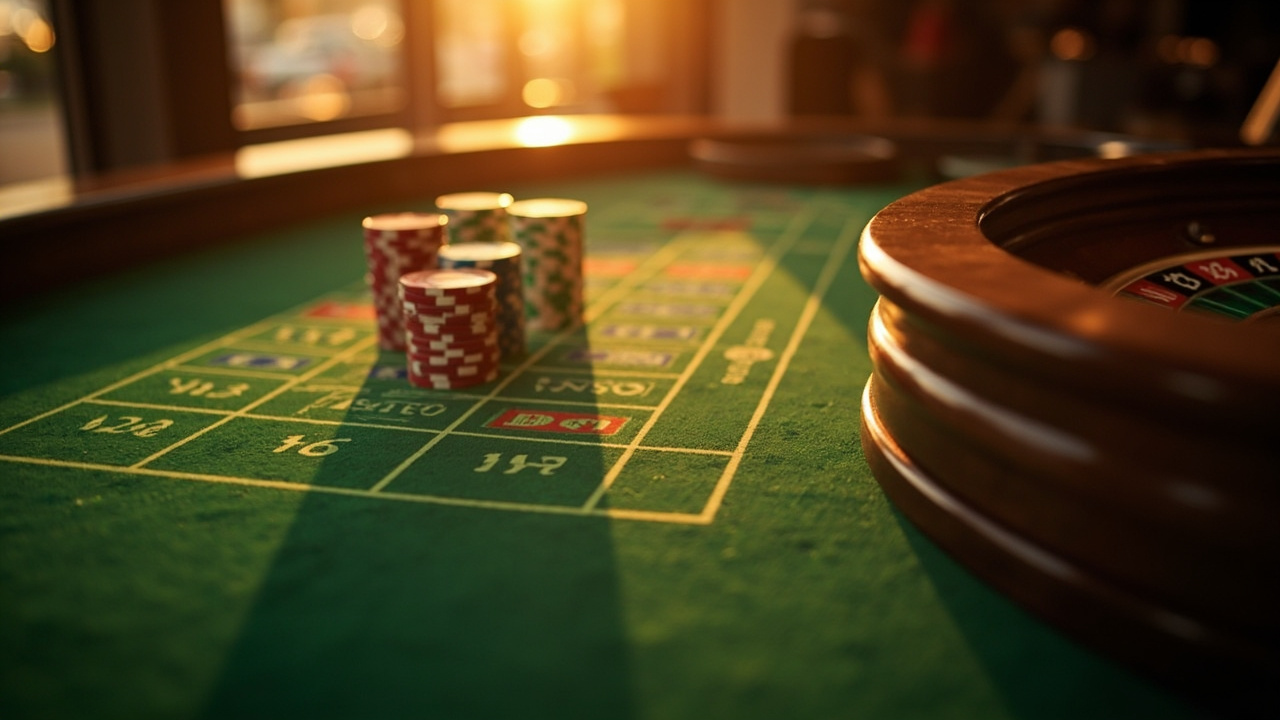
The jump from standard definition to high-definition displays on gaming machines has been driven by a mix of better panels, faster processors and more efficient rendering pipelines. Modern cabinets use LED and LCD screens that can push dense pixel grids without the blur that used to creep in during fast reels spins or animated bonus rounds. That clarity matters because players now expect the same kind of visual fidelity they get on their phones and home consoles, and the floor needs to keep up.
Under the hood, the graphics engine has to juggle multiple layers at once. Backgrounds, symbol animations, particle effects, payline highlights and bonus triggers all need to render in sync, and any stutter breaks the immersion straight away. Developers have been optimising shaders and texture streaming so the machine can deliver a steady frame rate even when the screen is packed with action. The result is a cabinet that feels responsive rather than sluggish, which is a genuine advantage when you are competing for attention on a busy floor.
Thermal management and power draw have also come into play. Running brighter screens and more complex graphics means the hardware needs better cooling and more efficient power supplies, and manufacturers have been redesigning cabinet enclosures to handle the load without turning the machine into a heater. That practical side of the upgrade is easy to overlook, but it determines whether a venue can fit more of these machines without blowing its power budget or turning the gaming area into a sauna.
The upshot is that the visual upgrade is not just a cosmetic exercise. It is a full-stack change that touches the screen, the processor, the cooling, and the software architecture, and the machines that get all of those elements right are the ones that hold their own over a long session.
How Australian Venues Are Reacting
Clubs and casinos across the country have been watching the visual upgrade closely, and many are phasing in newer cabinets as the older stock cycles out. In Queensland and New South Wales, where electronic gaming machines are a major part of the club revenue mix, operators know that a tired-looking floor sends the wrong message to regulars who have grown used to sharper screens at home. Replacing outdated machines with high-definition models is increasingly seen as a standard part of keeping the venue competitive.
Regional venues face a different set of pressures. A pub or club in a smaller city might not have the turnover of a metropolitan casino, but the players there still expect a decent visual experience, and word travels fast when a venue upgrades its floor. Operators in places like Perth and Adelaide have been rolling out refreshed cabinets in stages, often tying the upgrade to broader refurbishments of the gaming area so the whole space feels modern rather than patchy.
Casinos in the major cities have gone further, using high-definition visuals as part of a wider premium positioning. High-limit rooms and dedicated pokie floors are being styled with brighter screens, cleaner layouts and more cohesive theme packs, and that visual polish is part of the pitch to higher-value players. The machines are not just there to pay out; they are part of the atmosphere that keeps a venue feeling current.
The reaction has not been uniform, because not every operator has the capital to rip out an entire floor in one hit. Many are taking a staggered approach, swapping in newer machines as budgets allow and keeping the older stock running in less prominent spots. That practical pacing is sensible, and it reflects the reality that venue operators are balancing visual upgrades against the usual costs of running a gaming area.
Player Expectations and the Visual Edge
Regulars who spend hours on the floor have developed a sharp eye for the details that make a machine feel polished. Clear symbols, readable paylines, smooth bonus animations and a screen that does not wash out under venue lighting are now baseline expectations rather than nice-to-haves. When a machine looks crisp and responds quickly, players tend to settle in for longer, and that longer play time is exactly what operators are chasing when they invest in better visuals.
There is also a psychological layer to the visual upgrade. Bright, well-animated screens draw the eye from across the room, and that first impression can be the difference between a passer-by pulling up a chair or walking on. Once a player is seated, the quality of the graphics feeds into the sense that the machine is modern and well-maintained, which matters for trust as much as it matters for entertainment.
Players have also become more discerning about theme delivery. A well-rendered theme with coherent artwork, readable icons and consistent animation feels more immersive than a machine that throws a popular licence on a screen without much care for the presentation. That attention to detail is part of what separates a machine that gets a few quick на корпоративном портале spins from one that earns a regular spot on a player’s rotation.
The visual edge is not about promising wins. It is about delivering a clean, engaging experience that respects the player’s time and eyes, and that is a standard that Australian punters have come to expect as a fair go on the floor.
Design Choices That Shape the Experience
Theme selection and visual coherence are where the design team earns its keep. A machine might carry a popular film, music or nature theme, but the graphics need to carry that theme consistently across the base game and any bonus features. Good design means the symbols, backgrounds, transitions and win screens all feel like they belong to the same world, rather than looking like a collage of borrowed assets.
Layout and readability matter just as much as the artwork. A screen packed with too many elements can become hard to read under venue lighting, and that is a problem when players need to track paylines, bet levels and bonus triggers quickly. Designers have been working on cleaner interfaces that keep the essential information visible while still letting the visual theme breathe, and that balance is what makes a machine comfortable to play for a full session.
Animation timing is another lever that designers pull carefully. Too fast and the screen feels frantic; too slow and it drags. The best machines pace their animations so that wins, near-misses and bonus triggers land with the right amount of drama without slowing the game down to a crawl. That pacing is a subtle part of the experience, but it is one of the things that keeps the play feeling smooth rather than clunky.
Sound design ties into the visuals as well. A crisp screen pairs with clear audio cues, and the two together create the kind of feedback loop that makes the machine feel responsive. When the graphics and sound are in sync, the whole cabinet feels more alive, and that is the kind of polish that players notice even if they cannot put it into words.
Compliance and the Responsible Gaming Frame
The technical upgrade has to sit inside the existing compliance framework, and that framework in Australia is rigorous. Gaming machines are subject to testing and approval processes that cover randomness, payout structures, display requirements and harm-minimisation features, and any visual upgrade has to work within those rules rather than around them. The screen can be sharper, but the underlying game must still meet the standards that regulators expect.
Consequently, operators must ensure that any interface changes do not compromise the integrity of the certified gaming software. For players seeking entertainment within these regulated boundaries, exploring options like the run4win no deposit bonus can provide a safe introduction to compliant platforms. More information on responsible gaming standards can be found at https://run4winnodeposit.com/en-au.
Responsible gambling obligations are part of that picture as well. Clear display of bet amounts, credit balances, spin outcomes and session information is essential, and high-definition screens can actually help here by making that information easier to read. The trick is to make sure the visual polish does not crowd out the responsible gaming messages that players need to see, because those messages are not optional decorations.
Venues and operators also need to keep the broader harm-minimisation environment in mind. A brighter, more immersive machine can be more engaging, and that engagement needs to be balanced with tools and signage that support sensible play. The responsible gambling framework is built around transparency and player control, and the visual upgrade should support that frame rather than work against it.
For anyone looking at how the regulatory side fits together, the guidance from the national responsible gambling body at https://responsiblegambling.gov.au is a useful reference point, and it sits alongside the state-level rules that operators follow on the ground.
Where Joe Fortune Fits in the Market
When you line up the operators who are pushing the visual upgrade forward, Joe Fortune has made a name for itself as one of the leaders of the Australian market in the online space, and that positioning matters for the wider industry. Online operators are competing with land-based venues for player attention, and the quality of the visual experience on screen is one of the ways that competition plays out. A brand that invests in crisp, well-designed games is sending a signal about the standard it expects across the board.
The comparison below looks at how different operators stack up on the visual and market-front, using a few practical indicators that matter to players and analysts alike. It is not a full scorecard, but it gives a sense of where the leading names are placing their bets on graphics, theme quality and overall presentation.
| Operator | Visual polish | Theme variety | Market position | Notes |
|---|---|---|---|---|
| Joe Fortune | High | Broad | Leader in the Australian market | Strong presentation across popular titles |
| Regional club operators | Moderate to high | Moderate | Local focus | Upgrading cabinets in stages |
| Major city casinos | High | Broad | Premium positioning | High-limit rooms getting the newest stock |
| Online rivals in the space | High | Broad | Competitive | Visuals match console-level expectations |
The takeaway from that comparison is that the visual standard is rising across the board, and the operators who move earliest on the upgrade tend to capture the attention of players who care about presentation. Joe Fortune’s position in the market reflects that trend, and it is a useful benchmark for anyone tracking where the industry is heading.
Practical Recommendations for Players and Operators
- Look for machines with clear symbol rendering and readable paylines before settling in for a long session.
- Check that the screen brightness and contrast work well under the venue’s lighting rather than washing out the details.
- Pay attention to the consistency of the theme across base game and bonus features, because a coherent look usually signals better overall design.
- Operators should phase upgrades in a way that keeps the floor feeling current without leaving gaps in capacity.
- Venues need to keep responsible gaming information visible and legible, even on the sharpest screens.
- Players chasing a run with a new machine can start with a run4win no deposit bonus to test the presentation before committing further.
- Operators should balance visual ambition with thermal and power constraints so the cabinet stays reliable on a busy floor.
What Comes Next for the Visual Standard
The next wave of upgrades is likely to push resolution even higher and bring more dynamic effects into the base game and bonus rounds. As panels get cheaper and processors get more efficient, the visual standard that used to be reserved for premium cabinets will spread further down the floor, and that spread will change what players expect from a standard machine. The operators who stay ahead of that curve will be the ones who treat the visual upgrade as an ongoing project rather than a one-off refresh.
We will also see more coordination between theme licences and visual design, because the machines that carry well-known properties need to render them with care if they are going to stand out. A popular licence on a muddy screen does not do the theme or the operator any favours, and the better developers know that the presentation is part of the product, not an afterthought.
The compliance side will keep pace with the visual side, because higher resolution does not change the need for clear information, fair randomness and responsible gaming safeguards. If anything, sharper screens make it easier to display the details that players need to see, and that is a win for transparency as long as the design keeps those elements in the right place.
Down the track, the machines that last will be the ones that combine crisp visuals with reliable hardware, sensible pacing and a design that respects the player’s time. That is the standard the market is moving toward, and it is a fair go for anyone who wants a floor that feels modern without losing sight of the rules that keep the game honest.
